How Artificial Intelligence Impacts the Economy
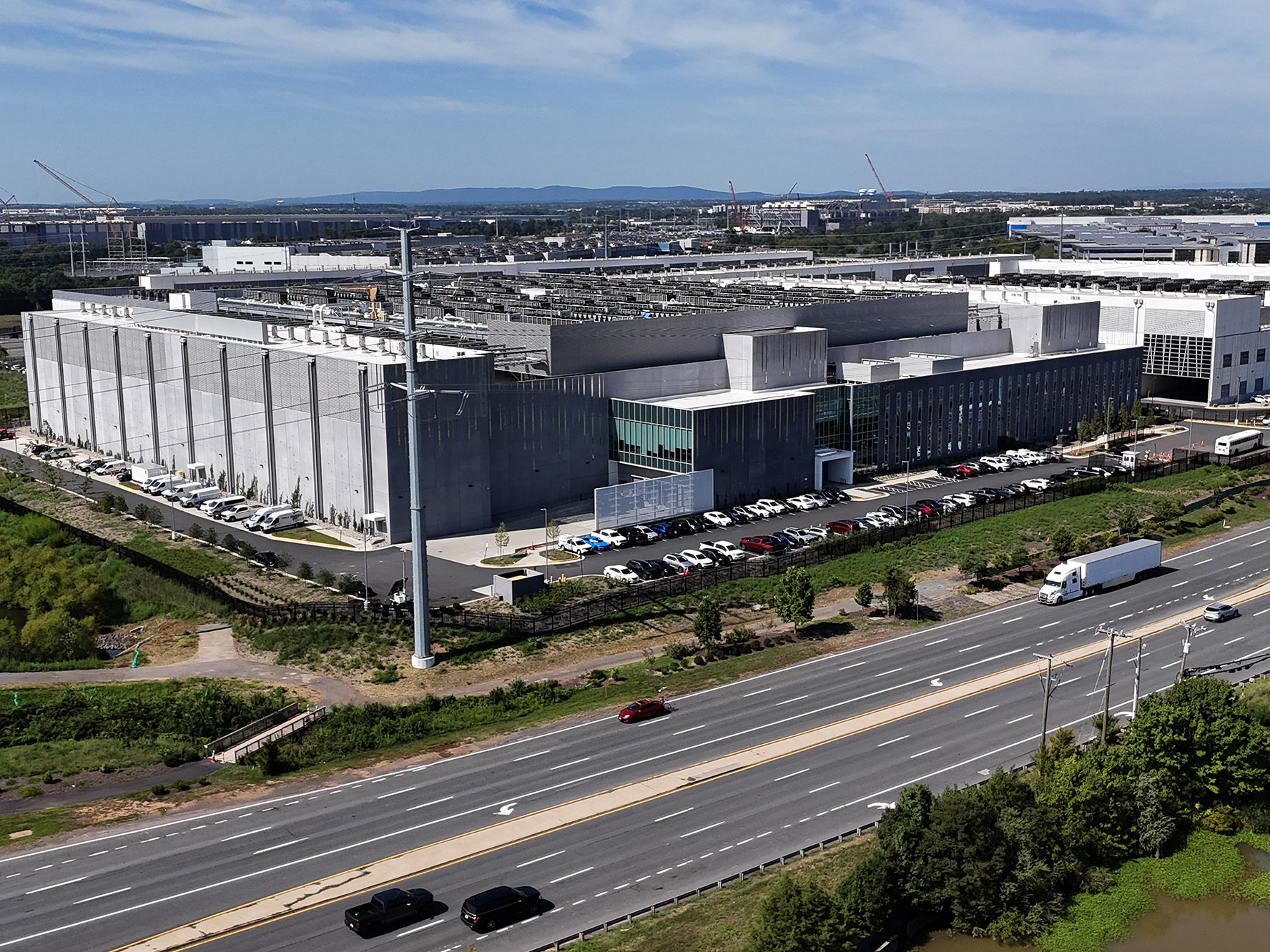
The Brookings Institution recently released a new report about artificial intelligence and its impact on the economy. This study looks at how new technology changes the way people work and how businesses make money. It shows that AI is now a central part of how our financial world functions today.
How does artificial intelligence affect the economy?
Many experts are looking at how artificial intelligence changes productivity. When machines can do tasks faster than humans, companies can produce more goods for less money. This often leads to growth in the stock market and higher profits for large tech firms. However, it also means that businesses must change their old ways of operating very quickly.
The impact of this technology is felt in every sector from banking to farming. Computers can now predict market trends and manage large amounts of data without getting tired. This speed helps the economy move faster, but it also creates new challenges for smaller businesses that cannot afford the newest tools. You can learn more about the general field of artificial intelligence and how it has grown over time.
What will happen to jobs and wages?
One of the biggest concerns for ordinary people is whether robots will take their jobs. The report suggests that while some jobs might disappear, others will change into something new. Workers may need to learn how to use AI tools to keep their positions in the modern office. This shift could lead to higher pay for people with tech skills, but it might make things harder for those who do repetitive tasks.
- Companies are spending more money on AI software than ever before.
- New types of jobs are being created to manage and fix AI systems.
- Governments are starting to look at how to tax computer-led work.
- Schools are changing what they teach to prepare kids for an AI world.
Why are new rules needed for AI?
As AI becomes a bigger part of the economy, leaders are worried about fairness and safety. If a computer makes a mistake that loses millions of dollars, someone must be held responsible. Without clear rules, the economy could become unstable or unfair to the average worker. Laws are being discussed to make sure that technology helps everyone instead of just a few rich people.
Different countries are trying different ways to handle these changes. Some want to let the tech grow fast, while others want to move slowly to protect workers. There is a lot of debate right now regarding the regulation of artificial intelligence to keep the global market safe. Watching how these laws develop will be a major part of the news for the next few years.
What should we watch for next?
In the coming months, we will see more data on how AI affects inflation and the cost of living. If AI makes things cheaper to produce, prices for shoppers might go down over time. We should also watch how big banks use these tools to decide who gets a loan or a credit card. These small changes in technology end up making a very big difference in our daily lives.
The transition to an AI-driven economy will not happen overnight, but it is moving fast. People should stay informed about how their specific industry is adopting these new computer programs. Understanding the basics of the technology is the best way to stay ready for the future. You can check a glossary of artificial intelligence terms to help you understand the news better as things change.


Comments
Post a Comment